X
- 1961
- Not Rated
- Astor Pictures Corporation
- 2 h 54 m
- 1961
- Not Rated
- Astor Pictures Corporation
- 2 h 54 m
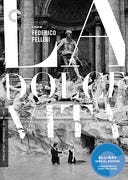
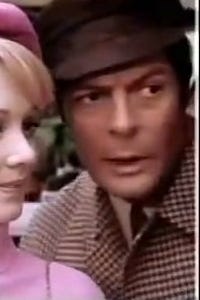
Summary A series of stories following a week in the life of a philandering paparazzo journalist (Marcello Mastroianni) living in Rome.
Directed By: Federico Fellini
- 1961
- Not Rated
- Astor Pictures Corporation
- 2 h 54 m
- 1961
- Not Rated
- Astor Pictures Corporation
- 2 h 54 m
La Dolce Vita
95
8.4
Summary A series of stories following a week in the life of a philandering paparazzo journalist (Marcello Mastroianni) living in Rome.
Directed By: Federico Fellini
Top Cast
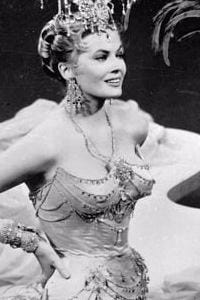
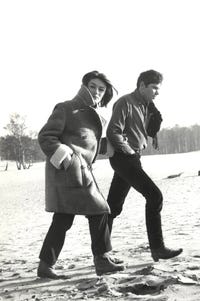


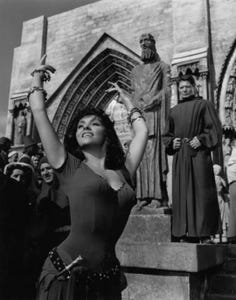
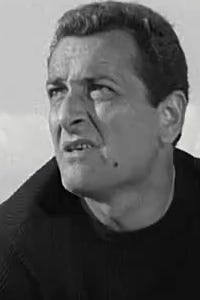
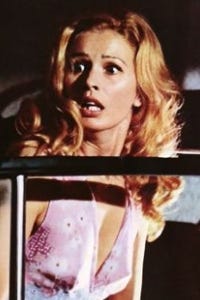
Metascore
Universal Acclaim
Based on 13 Critic Reviews
95
100% Positive
13 Reviews
13 Reviews
0% Mixed
0 Reviews
0 Reviews
0% Negative
0 Reviews
0 Reviews
Metascore
Universal Acclaim
Based on 13 Critic Reviews
95
100% Positive
13 Reviews
13 Reviews
0% Mixed
0 Reviews
0 Reviews
0% Negative
0 Reviews
0 Reviews
It is a brilliant film, but there is nothing sweet about it.
One of the cinema's true classics.
In this one masterpiece, Federico Fellini achieved the ideal balance -- between social observation and unconscious imagery, between artistic discipline and freedom, and between the neo-realism of 1950s Italian cinema and the orgiastic flights of his later work.
A brilliantly conceived epic fable.
The movie is made with boundless energy. Fellini stood here at the dividing point between the neorealism of his earlier films (like "La Strada") and the carnival visuals of his extravagant later ones ("Juliet of the Spirits," "Amarcord'').
In one movie, at least, the ethical baseline (heisted, you could argue, from "Sweet Smell of Success") gave Fellini's roaming, cluttered mise-en-scène a chilling gravity he could never genuinely locate again.
The film was hugely successful and widely praised in its time, though it's really nothing more than the old C.B. De Mille formula of titillation and moralizing--Roman orgies and Christian martyrs--with only a fraction of De Mille's showmanship.
User Score
Universal Acclaim
Based on 80 User Ratings
8.4
88% Positive
70 Ratings
70 Ratings
9% Mixed
7 Ratings
7 Ratings
4% Negative
3 Ratings
3 Ratings
User Score
Universal Acclaim
Based on 80 User Ratings
8.4
88% Positive
70 Ratings
70 Ratings
9% Mixed
7 Ratings
7 Ratings
4% Negative
3 Ratings
3 Ratings
There are no user reviews yet. Be the first to add a review.
Production Company
Riama Film,
Gray-Film,
Société Nouvelle Pathé Cinéma
Release Date Apr 19, 1961
Duration 2 h 54 m
Rating Not Rated
Tagline The film that shocked the critics...uncut, uncensored for all to see!
Awards
Academy Awards, USA
• 1 Win & 4 Nominations
Italian National Syndicate of Film Journalists
• 3 Wins & 8 Nominations
Satellite Awards
• 1 Win & 3 Nominations