X
- 2006
- R
- New Line Cinema
- 2 h 17 m
- 2006
- R
- New Line Cinema
- 2 h 17 m
Summary Based on the novel by Tom Perrotta, Little Children centers on a handful of individuals whose lives intersect on the playgrounds, town pools and streets of their small community in surprising and potentially dangerous ways. [New Line Cinema]
Directed By: Todd Field
Written By: Tom Perrotta, Todd Field
- 2006
- R
- New Line Cinema
- 2 h 17 m
- 2006
- R
- New Line Cinema
- 2 h 17 m
Little Children
75
7.7
Where to Watch
Summary Based on the novel by Tom Perrotta, Little Children centers on a handful of individuals whose lives intersect on the playgrounds, town pools and streets of their small community in surprising and potentially dangerous ways. [New Line Cinema]
Directed By: Todd Field
Written By: Tom Perrotta, Todd Field
Where to Watch
Top Cast
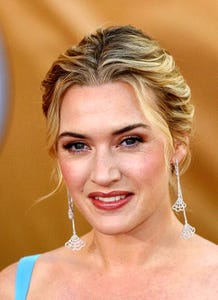
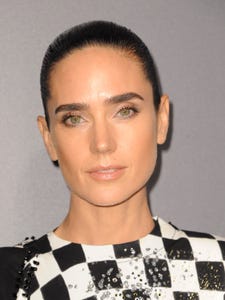
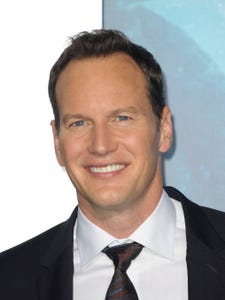





Metascore
Generally Favorable
Based on 34 Critic Reviews
75
82% Positive
28 Reviews
28 Reviews
18% Mixed
6 Reviews
6 Reviews
0% Negative
0 Reviews
0 Reviews
Metascore
Generally Favorable
Based on 34 Critic Reviews
75
82% Positive
28 Reviews
28 Reviews
18% Mixed
6 Reviews
6 Reviews
0% Negative
0 Reviews
0 Reviews
Perrotta and Field succeed, not by guessing, but by knowing this world. They understand it enough to see it with cold precision -- and to approach it, at times, with disarming warmth. The characters aren't types, but people.
A jolting, artfully made drama set in and around a suburban playground somewhere between "American Beauty" and "In the Bedroom" on America's psychic highway.
User Score
Generally Favorable
Based on 83 User Ratings
7.7
84% Positive
70 Ratings
70 Ratings
12% Mixed
10 Ratings
10 Ratings
4% Negative
3 Ratings
3 Ratings
User Score
Generally Favorable
Based on 83 User Ratings
7.7
84% Positive
70 Ratings
70 Ratings
12% Mixed
10 Ratings
10 Ratings
4% Negative
3 Ratings
3 Ratings
Excelentes interpretaciones, buena trama y al final da mucho para reflexionar.
Report
The little explored but dark side of life in the suburbs. In an identical tone to American Beauty, it is an unpleasant look at the secrets, lies, hypocrisy and fears of its inhabitants. With performances as magnetic as well impressive.
Report
Providing richness of detail and metaphor, elegantly blueprinted themes and impressive mastery of a constantly shifting tone, Little Children does just that. It is a deeply satisfying film.
Little Children does not have quite the bleak discipline of Field's more keenly judged "In the Bedroom." Yet it is a more ambitious film and a considerable achievement.
Decades removed from his dreamy Kelly in the "Bad News Bears" movies, Haley pulls off the remarkable feat of bringing childlike vulnerability to his character while still suggesting ungodly menace.
Instead of being supple and expansive like the book, this Little Children is heavy-handed and snarky.
It's an unholy mess, simultaneously too Gothic and too sarcastic, that preaches liberation and delivers only puritanism. It's a craftsmanlike but robotic imitation of "interesting" filmmaking, only in patches, and by accident, the real thing.
Little Children is a fascinating and disturbing glimpse into suburban life, without a group of intriguing and diverse characters. The performances here are just outstanding. Kate Winslet and Jackie Earl Haley truly stand out, giving raw and unflinching performances that both terrify and amaze me. Patrick Wilson is also fantastic, giving us a real look into the life of this empty man. Noah Emmerich is very underrated as well, as he steals the show in some scenes. Everyone in the film was at the top of their game. This detailed vision came together extremely well, and it really left me thinking for days after I had saw it.
Report
Little children has a simple plot with various characters and emotions.Jackie Earle Harlley is very good in his role,he even look sympathic. Patrick Wilson and Kate Winslate are not extraordinary in their role but they were okay.Jennifer Connelly was awesome like always and the movie ended pretty good.
Report
The subplots are unbelievably generic, and not even done in an original way. Jackie Earle Haley's plotline is the most interesting, but as the movie progresses, it becomes sympathetic to the pedophile, and the movie's overall message seems to be about acceptance, even for someone like that. Apart from that, the acting is very overrated, even from Kate Winslet, who I usually love. Normally, I would just think this is an ordinary, annoyingly generic movie, worthy of maybe a three or a four. However, the idea of the pedophile being portrayed as a sympathetic character, and that those who deride him are considered villains, cause this movie to be an easy zero for me.
Report