The Agony and the Ecstasy of Phil Spector Image
Metascore

Generally favorable reviews - based on 13 Critics What's this?

User Score
tbd

No user score yet- Awaiting 3 more ratings

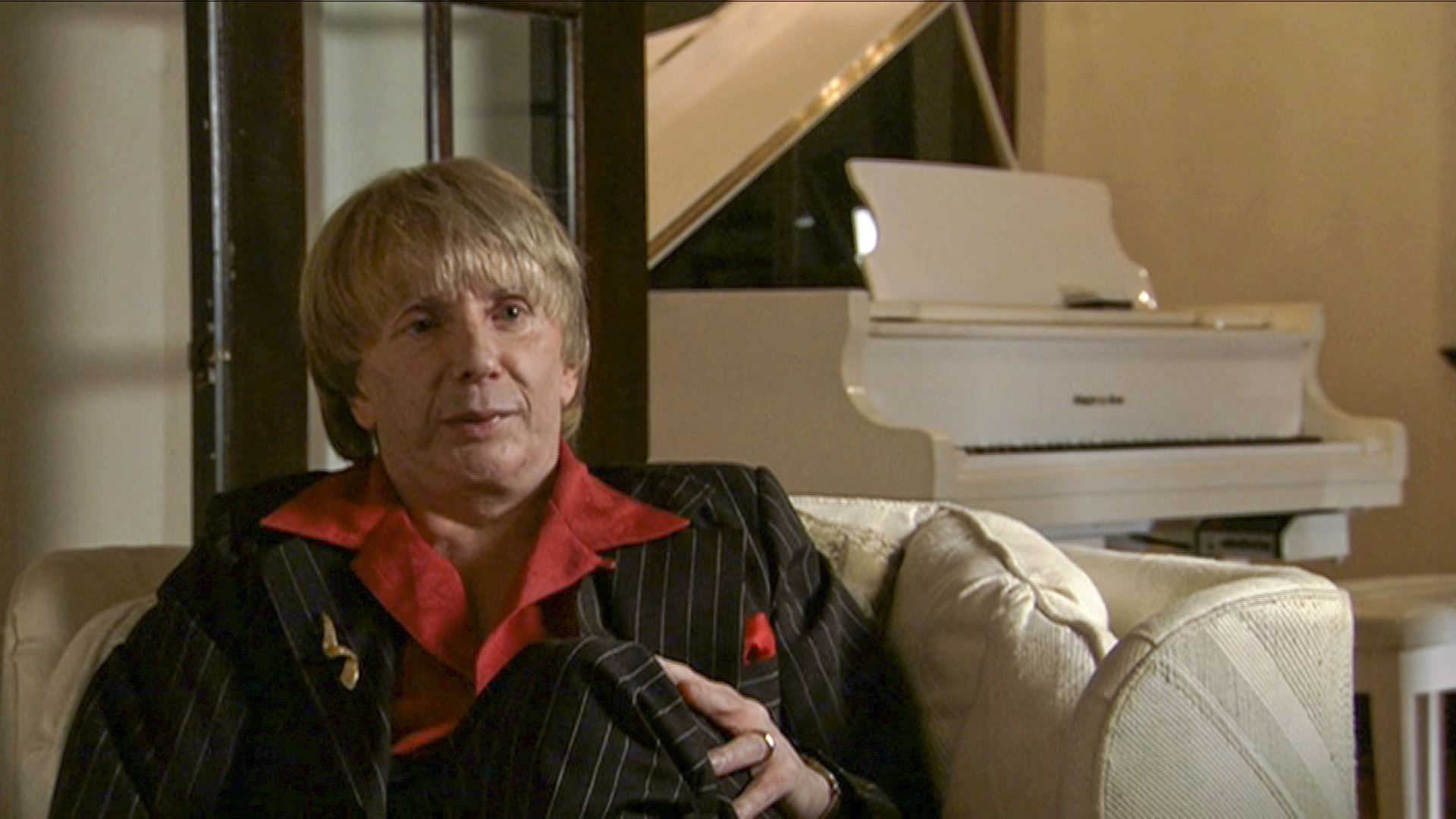
  • Summary: Legendary pop music genius, record producer Phil Spector created the “wall of sound” behind some of the greatest hits of the ’60s: Be My Baby, He’s a Rebel, Da Doo Ron Ron, You’ve Lost That Lovin’ Feeling, to name just a few. Today he is imprisoned serving 19 yearsto- life for the murder of e murder of B-movie actress Lana Clarkson. During his first trial (a hung jury), Spector gives a rare freewheeling interview to Vikram Jayanti, filmed at his castle, seated before the white piano which he bought with John Lennon, for Imagine. He lucidly holds forth on his life and work: his father’s suicide when he was a child; the process through which he achieved his distinctive sound; his friendship with Lennon; and his case that (despite Paul McCartney’s position), he salvaged the Beatles’ album, Let It Be. Then there is Spector’s curious enmity toward Tony Bennett and Buddy Holly (“he got a postage stamp even though he was only in rock ’n’ roll three years”), and a grandiosity that has him likening himself to Bach, da Vinci, Michelangelo and Galileo. And, yes, there is an endless parade of hairstyles and flamboyant outfits. (Film Forum) Collapse

Score distribution:
  1. Positive: 9 out of 13
  2. Negative: 0 out of 13
  1. Reviewed by: Kevin Lally
    90
    What makes "Ecstasy" essential viewing for any pop-music fan and any student of celebrity pathology is the interview itself. Spector, despite his immodest comparisons of himself to Bach, da Vinci and Galileo, is surprisingly entertaining company, not simply the mad recluse with crazy hair that was his shocking image during the trials.
  2. 80
    To have been in junior high school when rhapsodic fugues of yearning like "Spanish Harlem," "Uptown," or "Be My Baby" first poured from the radio is to have a sensibility, if not a fantasy life, in some way molded by this monster of self-absorption; to see The Agony and the Ecstasy is to be discomfitingly haunted by the specter of that long-ago innocence.
  3. This absorbing film isn't an apology or an explanation, but it nonetheless holds plenty of answers - including an amusing dissection of that infamously wiry hair-bear 'fro from the man who wore it.

See all 13 Critic Reviews

Score distribution:
  1. Positive: 0 out of
  2. Mixed: 0 out of
  3. Negative: 0 out of