SummaryIn 140 AD, two men - master and slave - venture beyond the edge of the known world on a dangerous and obsessive quest that will push them beyond the boundaries of loyalty and betrayal, friendship and hatred, deceit and heroism. 20 years earlier, Rome's 5,000-strong Ninth Legion, under the command of Flavius Aquila, marched north carrying...
SummaryIn 140 AD, two men - master and slave - venture beyond the edge of the known world on a dangerous and obsessive quest that will push them beyond the boundaries of loyalty and betrayal, friendship and hatred, deceit and heroism. 20 years earlier, Rome's 5,000-strong Ninth Legion, under the command of Flavius Aquila, marched north carrying...
The story and setting may be ancient, but under the direction of Kevin Macdonald (The Last King of Scotland), and with a nicely textured screenplay by Macdonald's Scotland coscreenwriter Jeremy Brock, the vigor is fully modern.
The Eagle is furiously unsettled-thematically, temporally, meteorologically. Wild-eyed, long-haired Brits leap atop the Romans' shields as the soldiers blindly hack away, the bodies so close that you can barely tell the victor from the vanquished. The battles in the fog and rain have a hallucinatory power.
A+
With morals and plot devices that have been sadly lacking in cinema for the past ten years, The Eagle is a true epic.
The movie takes place about ten years after the (real) event titled the "Lost Legion," where an entire legion of Roman troops in the post-Christianity era (117 AD) "vanished" after marching into unfriendly terrain in Northern England. Marcus Alquilas (now we are talking fiction) is the son of the Roman general who commanded the legion at the time of their demise(?); and he is distraught over the loss of his father, respect for his family, and the honor of Rome. Brave and intelligent (if nearly-mad with his obsession), Alquilas rises through the military ranks and is offered a variety of posts throughout the empire--not surprisingly, he chooses the northernmost fort to Hadrian's Wall, a barrier built to block off the upper half of England after the events of his father's command. After an injury, Alquilas needs an aid for recovering. His kindly uncle then gives him Esca, a slave Alquilas rescued from a lopsided gladiatorial combat. Recovering, Alquilas decides he will depart to the uncharted area on the other side of the wall. With Esca as his guide, Alquilas steadfastly pursues his goal of finding the Eagle of the Ninth, a treasured golden standard of the Lost Legion shaped like a chicken. No, actually it looks like an eagle.
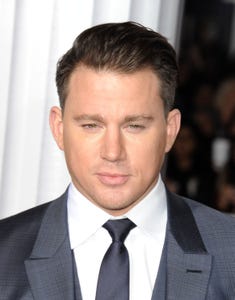
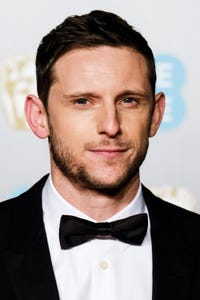
While I understand Focus Features' reasoning, it is sad that a movie with this merit and talent behind it got released with little fanfare in a time of year not associated with great films. No one who watched the trailer would know this is from Jeremy Brock and Kevin Macdonald, the writer-director team behind Oscar-nominee The Last King of Scotland. The book it is based on (Rosemary Suttcliff's The Eagle of the Ninth) is considered critically acclaimed classic. Channing Tatum (G.I. Joe, Dear John), a very underrated actor, plays Marcus, while BAFTA nominee Jamie Bell (Billy Elliot, Hallam Foe) plays Esca. Also worth noting is that The Eagle''s cinematographer is Anthony Dod Mantle, who did the Oscar-winning work on Slumdog Millionaire.
All the talent comes to good use. The movie is surprisingly old-fashioned--promoting honor and nationalism over liberty and personal-gain. It also deals with many dark issues without becoming unnecessarily grim. This is probably much due to the fact that the book is from the 50s; it is still impressive, though, that a 2011 film about ancient Rome managed not to be anarchistic. Even better, the movie has powerful morals which (while probably not discussable in a spoiler-free review) definitely make this better than most Academy Award-nominees.
The movie's action scenes are slightly disjointed, probably due to the fact that the movie seems to really not want its PG-13 rating. Still, there are so many fight sequences (the movie keeps away from any tacked-on romantic subplots) I am sure that the action crowd will be pleased if they attend. Best of all, though, is the fact that this is not mere popcorn-fare: The Eagle is a moving epic in the vein of Ben Hur.
Powerful morals, an exciting plot, and a well-crafted story make this cinematic experience exceptional.
The formalities of the period dialogue and a wavering, inexplicable accent test him (Tatum) beyond his limits, and the film isn't thoughtful or original enough to survive it.
Solid acting, realistic settings and plot (perhaps excluding some northern tribes' mud face masks and hairdos as if they were from another continent far south). Being based on an actual novel, the narrative is rich and the action will keep you engaged throughout.
This movie is alright. It's aimed towards a target audience so if you are not part of the fans who love Gladiator, braveheart and movies of the like, then you might find this film luke warm, but if you do like those movies, you will love to add this film as another anglo-saxon/roman genre movie to your collection, the movie starts off well with a couple of well done fight scenes, moves on with some travel which many other reviews have panned as boring, which is rubbish because travel time is a necessity, see movies like The Lord of the rings. Simply put, This movie is not as good as some of the greats mentioned earlier, but is not poor in quality and un watchable. It's simply an alright movie, which you would likely watch if it was on tv at the time, but probably wouldn't be your first thought when choosing something to watch
Passable action/buddy movie with a good storyline but poor cliche ridden acting. The action scenes are good but sparse. It could have been so much more.
This movie ****, it was just that boring, and am actually surprised it got such a high rating on here, 56 is a huge stretch. I got dragged into this movie because I did not want to see The Roommate. I came into the movie with no hype or anything and expected an alright movie, and all I got was a drool fest, generic, piece of **** acting movie.