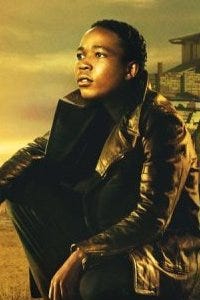
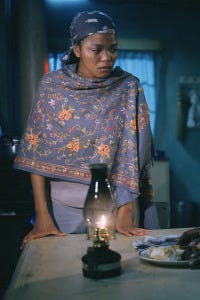
• Starring: Israel Makoe, Mothusi Magano, Presley Chweneyagae
  • Summary: Set amidst the bustling townships of Johannesburg and infused with the pumping high-energy Kwaito music of the top South African artist Zola, Tsotsi is an extraordinary portrait of the choices we make in life and the personal triumph that comes from choosing love over rage. (Miramax Films)
Score distribution:
  1. Positive: 28 out of 35
  2. Negative: 0 out of 35
  1. 100
    What a simple and yet profound story this is.
  2. It grabs you from a symbolic opening scene of gang members rolling the dice -- the odds, it soon becomes clear, are stacked against them getting lucky -- and never lets go.
  3. 50
    Ends in a cascade of sentimentality straight out of Hollywood. Not even Chweneyagae's excellent acting or Lance Gewer's dark photography can save the film.

See all 35 Critic Reviews

Score distribution:
  1. Positive: 14 out of 16
  2. Negative: 1 out of 16
  1. slobodan
    10
    Outstanding movie.
    • 0 of 0 users said yes
  2. MarkB.
    5
    In the first few minutes of this overrated, not-so-hotsy South African character study, the nameless title character ("Tsotsi" means thug) and his criminal cohorts ask each other what each is going to do tonight. It's difficult to tell whether this is an indirect lift from the most famous line in Paddy Chayefsky's Marty, but if it is, it certainly wouldn't be this film's ONLY derivative element. Tsotsi might think that it's more powerful, insightful and moving than it is, but despite a compelling, persuasive lead performance by Presley Chweneyagae in the title role and direction by Gavin Hood (adapting Athol Fugard's novel) that comes off partially as Fernando Meirelles Lite, this comes off as watchable but fundamentally bogus sentimental hogwash that the USA's own Damon Runyon was doing in the 1920s and 30s, and it was hardly original when he was trafficking in it. (I mean, when's the last time YOU saw a movie that literally kicked a dog to gain unwarranted sympathy for one of the characters?) The film attempts to depict the way that Tsotsi, upon discovering the infant son of one of his robbery victims, Becomes A Better Person, but instead it comes off as the most ethically questionable watering-down of the criminality of a reprehensible, antisocial individual since Kevin Bacon's turn in The Woodsman. The fact that the movie's "hero" shows some humanity in caring for the baby simply doesn't cut much ice with me; in the current Thank You For Smoking, we see that the slimeball Big Tobacco lobbyist played by Aaron Eckhardt truly loves his son, but that doesn't make him any LESS of a slimeball. (The difference between the two films in this area is that Thank You's writer-director Jason Reitman is fully aware of this and isn't trying to convince anybody otherwise.) On the other hand, young mother Miriam (Terry Pheto) really IS genuinely admirable and heroic; when forced by Tsotsi to breastfeed the baby, she also voluntarily bathes and shelters him, even though he's not hers and she could be endangering her life and that of her son by not keeping her distance from Tsotsi. (Talk about living by the Biblical admonition of going two miles when being forced to travel one!) And it must be freely admitted that the baby himself, even by the incredibly broad standards of tiny babies with enormously expressive brown eyes and wearing light-blue jumpers, is so overwhelmingly adorable that in his presence even Richard Speck would most likely turn into Dr. Spock; Hood's dozens of closeups of the tot are a probable reason that so many people ARE visibly affected by this film. What's less understandable is why the Motion Picture Academy of Arts and Sciences absurdly chose this as Best Foreign Film of 2005 over the infiniterly more challenging and original Paradise Now, especially after displaying such insight and wisdom last year in choosing the provocative and moving drama The Sea Inside over the shopworn inspirational saga The Chorus, which was as hokey as this is. I can only guess that too many voters, allowing political pressure to get to them, misinterpreted Paradise Now as a justification of Palestinian terrorist suicide bombings (which it most definitely is NOT; it's too conveniently forgotten that a central character CHANGES HIS MIND about participating in the attack and spends a substantial part of the movie trying to prevent it) and went for the nice, safe choice. When Crash topped Brokeback Mountain for the big prize, I initially doubted that it was the result of right-wing hostility toward the so-called "gay cowboy" movie, but now...well, I'm not so sure. Expand
    • 0 of 0 users said yes
  3. JaneanP.
    3
    Worse than Crash; between this and Joyeux Noel, I've lost faith in any Oscar nominee being worth watching.
    • 0 of 0 users said yes

See all 16 User Reviews

Trailers

Related Articles

  1. Lost in Translation: Second-Guessing the Academy's Foreign Language Picks

    Lost in Translation: Second-Guessing the Academy's Foreign Language Picks Image
    Published: April 16, 2010
    Oscar-winning foreign language film "The Secret in Their Eyes" arrives in American theaters this weekend. But it's not the best-reviewed foreign film of the past year, continuing the Academy's decade-long trend of selecting lesser titles. What films have they overlooked?

Recommended Products

  1. Paradise Now Image
  2. The Lives of Others Image